The Axis Of Dissent: Mesmerica Expect A Circus

“After Brexit, a friend posted words to the effect of “it’s official, the British are now more stupid than Americans,” … and then a few months later America reclaimed the title by electing Trump.” - Danbert Nobacon

Axis.jpg

Danbert Nobacon (of Chumbawamba - I wonder if he tires of that) and Kira Wood Cramer under the moniker The Axis of Dissent have released their 2nd LP (a follow up to Stardust To Darwinstuff in 2017), “Mesmerica Expect A Circus” on Verbal Burlesque Records. An epic odyssey into the absurdity and frustrations of modern life that bounces along with a deceptively festive tone, all while painting a highly detailed portrait of the American dream turned into a nightmare.

Like the Who’s Quadrephenia, Zappa’s Joe’s Garage or Coltrane’s A Love Supreme, Mesmerica Expect A Circus isn’t so much an album as it is a thematic story. Upon the first listen I liked it. Eclectic and listenable with all the things you want from one of the most politically-driven lyricists around. But after the second and third listen, Mesmerica began to flood over me in all its zany cinematic glory. It’s a remarkable work of art that requires a bit of attention and patience. Not that it isn’t catchy as hell - it is. But to get to those deeper levels I recommend sitting down with it like the good old days. Put the headphones on and take your time with this sprawling double LP.  By the end of it you may be asking yourself how in the hell this country got to where it is today. But you’ll be doing so melodically. 

Nobacon chatted with me about the album, his creative processes and the current state of our troubled country as seen through the eyes of an outspoken anarchist.

Tell us how about the concept of the album and where the idea was born?

I guess all through last year I had the idea to put out an album in 2020, it being an election year, with the idea that it would be a collection of things I had written since the last election. And for the last three years (pre-pandemic) I had been working with Kira Wood Cramer doing live shows as a duo and it was always part of the plan to translate that to record somehow. Kira was born in Okanogan County and has lived in Twisp for most of her life. We met actually onstage (in a warm up exercise) during rehearsal for a community theatre production of “A Christmas Carol” in Twisp in 2010. We have been in other theatre productions since and are both regular participants in the annual Twisp Trashion Show. I would say working with Kira has inspired and enabled me to bring a whole new theatrical element—which whilst we have dabbled with in a live setting—I have never so fully been able to realize in the recorded form as with this album. 

Stylistically, like much of your work, the album is pleasantly a bit all over the map. Punk for sure, but also some Baltic folk, Cash-esque Americana, reggae, swing-country and at times showtunesy. Talk about the musical influences you’ve funneled into your current work.

There is definitely some old English punker influence, which comes in on the fuller songs like “Climate Emergency,” “Building A Wall” and “Corprageddon” which I think comes from working with new guys, for me, Loren Boley on drums and Clay Ashford on bass, both of whom are Twisp-Winthrop locals - and not that they would know it - but the resultant sound reminds me of the English band Culture Shock from the mid-late 80’s. There’s some Baltic folk thrown in, which maybe comes from me being able to play rhythm guitar with a bit more flair and inventiveness from accumulated experience. And having Kira on the record makes me think of early English punk rock. And the slide into a reggae type sound in the second half of “Building A Wall” is reminiscent of the later period of The Slits and Culture Shock that had some of that punk-reggae crossover which The Clash were well known for. 

I really do listen to a wide range of music and I think it subconsciously seeps into my writing process. For example, with the track “Mesmerica” which I would call a showtune, I was dumbfounded when Mell (Dettmer), the engineer and producer on the album, said it sounds like the “Miss America” theme from the Miss America contest. Being from England I did not grow up with Miss America, so maybe I heard that theme without really realizing it and internalized it, or something, because the main tune of “Mesmerica” is very much like the opening of “Miss America”. Also, the wordplay is uncanny, being as I coined Mesmerica as a combination of ‘mesmerized’ and ‘America.’ All of which brings me to the idea that I am a sponge for musical influences over all my years of listening to music. The piano/nursery rhyme kind of shorter songs on the record remind me of Ivor Cutler (an eccentric Scottish genius songwriter whom I recommend anyone check out) and the more theatrical bits on the record conjure up Viv Stanshall and the Bozo Dog Doo Dah Band. 

“Expect A Circus” is from a bumper sticker which I first saw, whilst I was sipping a beer at the counter in front of the ‘Bumper Sticker wall’ at East 20 Pizza in Winthrop, the full text of which is “Elect a Clown, Expect A Circus,” and refers to our current situation generally since Trump was elected. 

Thematically, Mesmerica Expect A Circus is classic Nobacon material. Biting political commentary, comedic satire on serious concepts and a strong stance on environmentalism. As I write these questions I stare out the window at a mushroom cloud from the exploding Colockum Fire. As a self-proclaimed anarchist, where do you think we should start as a nation to head in a better direction? 

As I mentioned, the albums are kind of a culmination of what we have been experiencing politically in the US since the 2016 election, so I was trying to include that with the omnipresent specter of the Climate Emergency never far from the frame. We started recording in August 2019 and were done mixing in February 2020, which was actually way longer than planned. During which time it grew from being a regular album into a double album, which was never part of the original plan. I think there is an influence from the Extinction Rebellion movement in terms of their mission to get us all to recognize we are in an emergency, and I cover this in detail by satirizing how culpable the corporate mainstream media are in hiding this fact when, as you say, it is staring us in the face. In your case literally with the apocalyptic looking plume you can see in the form of the Colockum fire. And I have certainly seen similar scenes, having lived in Twisp these past thirteen years and having been evacuated during the Twisp River Fire of 2015, and been on evacuation notice two other years. 

So part of the album’s original plan was to release by April 2020 on the 50th Earth Day celebration and protests. And then the pandemic happened—seemingly out of the blue, but a long recognized and long predicted threat by scientists in the field—and we were in lockdown so those protests were virtual and online, and the album release got pushed back anyway by other circumstances. 

As a self-proclaimed anarchist, and unusual for me, during the making of the album I did campaign on behalf of Bernie Sanders (the only major candidate I have endorsed in all my adult life either in the UK or the US) and we saw him speak in Tacoma before the lockdown when he was on a roll, so there is a chorus on the track “G.O.P. Spells …” which is “vote progressive, act imperative,” which is meant a call to support candidates who refuse corporate money but also, as Bernie acknowledged, that people taking to the streets - and if necessary breaking the law - has always been part of genuine democracy, and has been instrumental in bringing any real progress we have had down through history. 

Bernie is on record saying that even if he had been elected we would still have had to get out and protest to usher in meaningful change. And we hear this on the very last track of the record, echoed by the podcasters who are part of the cast of characters on the record. So my attitude has been that real change has to come from below and neither “we the people” nor the intelligence agencies whose job it is to predict and suppress social movements, can know where or when that is gonna happen. As was the case with the fall of the Berlin Wall and the collapse of Soviet communism, and the CIA whose job it was to predict that stuff had no clue whatsoever. My prediction on the record of climate revolt is eclipsed by the reality with the pandemic in full swing and the Black Lives Matter protests erupting, seemingly out of nowhere.

Of course, there are hundreds of years of reasons why the BLM protests would erupt at some point, and not just in the US but around the world. Looking at the current protests with a little hindsight we can say that because we could see George Floyd being murdered, because someone filmed it on their phone and it can be broadcast around the world within minutes or hours of it happening - we are finally seeing what has been done mostly covertly for hundreds of years by those who are employed to protect white privilege. 

The instant outrage at the brutal injustice was the touch paper that set off the powder keg. And, the deployment of secret police by Trump to Portland, as we have seen in recent days, has only escalated the situation. Of course the powder keg or powder kegs have been there all along, built into the foundations of this country by slavery and what came after it. And in the recent history sense by forty years of the failed neo-liberal experiment (which I do talk about in detail on the albums) with the increasing wealth inequality and mounting injustice of the 1% and their lackeys in government becoming ever increasingly distanced from, and indifferent to, the actual daily needs of we the people.

So, I think we are headed for a lot more global protests, and not least in the US, because the mainstream media and the corporate wing of the Democratic party, successfully collaborated to derail Bernie Sanders. The many tentacled protest movements will not simply go away because the oligarchs want them to. There are many more battles ahead. No one knows what will trigger the next upheavals but as we head into high fire season, high hurricane season, the high possibility of some extreme globally warmed weather events hitting when we are still firmly in the grip of the pandemic, could trigger some other protests and uprisings like we have never seen. 

And this could go either way; Increasing authoritarianism from a president who just this week suggested delaying the November general election. I think the GOP these last three and a half years and especially during the pandemic, have demonstrated over and over they are basically at war with we the people, in the sense that we are completely expendable in the daily scheme of things and they shortsightedly think having control of the levers of power, not least the police and the military will protect them, when the inevitable (in their vision of the future) climate lockdown happens. 

The other version is more along the lines that we the protestors will eventually turn the tide in defense of the planet and our ability to live on it. My experience of the ‘not me us’ movement and my witnessing the recent protests, mostly from afar—though we did have BLM protests in Twisp and Winthrop, and then Blue Lives Matter counter protests and us BLM protestors counter protesting the Blue Lives Matter protest—gives me hope in this respect. I do think there will be a lot of back and forth on this but certainly if we do not continue to mobilize and protest against injustice and the destruction of our life support systems then the climate will make the decision for us and wipe out humanity as a failed experiment. 

Were there elements of politics in Britain you liked more than what you see in the US or is it shit as well?

There are many elements that are similar as the UK especially since Thatcher from the late 1970’s onwards has continually tried to emulate the American way of doing business and has kowtowed to the US at every juncture, not least the supposedly progressive Tony Blair signing up for all of Bill Clinton and George W’s wars. There is a false idea that political debate in the UK is somehow more sophisticated because we have the BBC and The Guardian newspaper etc., but they are simply a part of a different way of marketing Neoliberalism. Tony Blair spent most of his tenure as Prime Minister attacking the BBC for supposedly being biased against him (they actually supported nearly everything he did) and by rubbishing them and threatening to take away their funding etc. he made sure they towed the line. The result was that the BBC  forever fell into aping the UK model of the Rupert Murdoch (Fox News) dominant narrative, - which is that the capitalist way of doing things - remains above and beyond question. Both the BBC and The Guardian, along with their more right-wing leaning counterparts, were highly culpable in derailing the popular and genuinely progressive Jeremy Corbyn’s election campaign, in a similar way to which Bernie was derailed here. And, the whole Brexit debacle shows just how unsophisticated and stupid the ruling elites and the UK’s version of the white power nationalists are. After Brexit, a friend posted words to the effect of “it’s official, the British are now more stupid than Americans,” … and then a few months later America reclaimed the title by electing Trump. And then the UK elected Boris Johnson, the worst possible choice in generations. In some ways Britain is worse because in its adopted role as chief side-kick it legitimizes all the very worst of US economic and foreign policy around the world and in so doing gives it a veneer of respectability.  

Would you say most of your albums are concept albums? Or are they simply a collective reflection of the times?

Yes, I think they are all pretty much concept albums, though many of the songs do start out as independent unrelated entities. Of course, the end product of the album is because my creative brain works in the now antiquated way of thinking in terms of ‘making an album.’ I grew up with vinyl albums, and in Chumbawamba we experienced first-hand the switch from vinyl to CD, and whilst I write songs as individual entities there comes a point where I have a bunch of individual songs that begin to coalesce and form groups along thematic lines usually relating to lyrical content.

For example I have three or so different groups of songs now which could form the basis of three distinct future albums. Once a few songs form a solid grouping then I actually write songs with that thematic background in mind. In this respect I compare it to a visual artist who makes several paintings of the same thing but each is a different interpretation of the original inspirational thing, person, event.  So the reason this really grew from one album into two was because I kept experimenting and adding parts, specifically the dialogue which is spoken by the robots or ‘Smartbots’ on the record i.e. me putting words or half words or part sentences endlessly into “Google Translate” and recording and editing the resultant audio, over many long, long hours, and then coming up, in most cases with some form of musical backing. Once I got lost in robot world there was no way it would stay a single album. 

Talk a bit about your writing process. Was picking that guitar part of your evolution as a songwriter? Do you typically start with lyrics and then build the music around them or the other way around?

I have always used guitar to write probably most of my songs since 1979. In Chumbawamba my contribution to songs was I mostly wrote lyrics and not tunes, so that was more like writing poetry, though sometimes I would use lyrics I had already set to a tune on guitar (but not submit the tune) and the other guys would come up with a new tune. Or they’d ask me to rewrite the lyrics so they fit better with the new tune. So, whilst I have always played guitar as an individual, I never played it in Chumbawamba because I was one of the three front people. I did some solo gigs in the 1980’s but I only really started to perform with a guitar in the post Chumbawamba (post 2004) years, most of which have been here in the US. 

Usually I mess around on guitar, almost aimlessly and I will come up with a chord sequence or refrain and then experiment with a melody, and maybe then one word, or a sentence pops up in my mind (maybe days later) that fits, and it may be nonsense or it may be some pertinent hook like the phrase “Building A Wall” (which originally appeared on “The Library Book of the World” 2007 album) and that gives me something to build on. I have no real musical training, so it really comes from the education of just listening to music my whole life, by the feel of whether something sounds right or whether the elements go well together, which is all through the matrix of my particular experience of exposure to whatever (mostly western) popular music has crossed my path.

Another mostly new dimension was a lot of the fully formed songs on this double album were written knowing I was going to sing them with Kira, so there is a call-response element to some of them. Which makes them difficult to sing solo as I have had to do during lock-down for various virtual performances that I have done these past few months. A couple of the songs were written specifically for Kira to sing, which is also a different approach for me, writing with someone else in mind to sing the song. 

Further, I wrote differently for this album as some of the tunes like  “Crazy Demons Play”  were written on piano, and much of the backing for the robot dialogue was written on a MIDI  keyboard where I’d come up with a tune, and then work out the bass part separately. Because of my limited piano skills, in most cases, I would record the right hand and the left hand separately.  I have never really used keyboards or piano in composition before. And for this record, again because I knew Kira was always going to be a central part of the vocal side of the record, I worked out some limited vocal harmonies which is also a new approach for me that I am only beginning to explore. We had a lot of harmonies in Chumbawamba but I was never the one who worked them out or even sang them. 

With the characters, themes and spoken word elements that so often pop up in your records, have you done or thought about creating a stage musical? 

I have actually written two plays with songs with student input during my first two years (2014-2015 ) as High School Drama coach here in the Methow Valley. There were strong musical elements but most of the dialogue was spoken rather than sung, so they were not strictly musicals. Since then we have performed a number of existing musicals with the High School Drama class, so I have thought a lot about ‘the musical’ as an art form and think maybe one day I will do that. 

Regarding the characters on this new album, they inhabit what for my creative self I call the “Brain Circus” universe. The second play I wrote with students was called “Brain Circus NY 2025” and used some songs from “Library Book of the World” as well as some half songs that became actual songs on “Stardust to Darwenstuff” (2017).  As the CD sleeve notes to “Mesmerica – Expect A Circus”  highlights, “Brain Circus’ is a yet to be completed novel. And if you go to the Bandcamp version of the albums or my webpage there is more prose narrative alongside the album lyrics relating to the songs in the context of this ‘universe.’  I do have a few draft chapters written so my creative brain often defaults to that universe, and it was kind of central to the final formulation of Mesmerica – Expect A Circus.

Obviously nobody is touring right now, but are there plans for that once the virus is at bay?

Yes. We had tours booked in the Northwest, Canada, the Mid-West, the East Coast and the UK and they all had to be postponed, and rightly so. I know some of the places want us back when things are safe but I know at least one of the venues we were going to play has gone under during the pandemic. Unfortunately, for lovers of music and the performing arts - both as participants and audience members - my feeling is indoor music gigs will be the last places to open up. The evidence suggests that singing in enclosed spaces is a particularly ripe environment for the virus to spread. Back in March of this year there was a church in Mount Vernon where a choir practice went ahead right before the Washington State shut-down orders and many choir members were infected, and some died. Ditto the idiocy of riling up a crowd at an indoor political rally like Trump did in Tulsa. 

As someone that’s been in, out or around the music industry since the 1980’s I’m curious on what your thoughts are about the current situation. On the one hand it’s never been easier to put your own music out to the world, on the other - the business itself has become harder for many artists to be self-sustained. Thoughts on labels, streaming and the current record industry?

I think it is way harder now. In 1979 when we first started doing music, the world population was less than 4.5 billion (it is now 7.8 billion). Back then there was no internet or cell phones and the competing digital universes were barely a pipe dream. You could put out a record (in our case our first releases were cassettes) and build up an audience by playing shows and connecting and personally interacting with our audience. There are so many more people making music in 2020 and that is great but it is so much harder to register on the radar. 

To be fair Chumbawamba grew out of youthful energy and a bunch of peers who were ready to commit (after ten years of doing it part time) to being a full-time touring band and there is no substitute for that in terms of making a living. We went from playing a handful of shows a year to playing 120 shows a year. We’d built up an underground following over the previous ten years, and at that level were both making money from touring and selling more albums (and for the first time really making any money from records). Then after having been a full time touring band releasing albums for a further five years, we had the big song which briefly catapulted us into the mainstream. Even then with “Tubthumping” the time period 1997-1998 was still firmly entrenched in the pre-digital era.  

Now anyone can make music and pay $50 and have it on all the major digital platforms but it is a much more uphill struggle to stand out and gain any kind of recognition. The most difficult part is even more difficult, and that is alerting people to the fact one’s music is available. And even when people are aware of it, more and more often they are less willing to pay money to own it, whether it be a hard copy or a download. I saw a meme recently which said you needed 20,000 streams on Spotify to make $100 but you only need to sell $10 CD’s, so maybe there is still some financial sense in hard copies? 

For my last three albums I have been my own record company, and business is certainly not my strong suit. I hired a publicist for three months so the albums like this new one goes to all the major music press and some radio but even with my musical history and limited name recognition as an individual, my albums barely register. 

For example, over my years here in the Northwest. I have had a couple of mentions in The Stranger in Seattle, but I have never been able to get on KEXP. Having a deserved reputation as a political artist enables some recognition in limited circles, but immediately closes many more doors because the music press by and large, even during these Trump years, have nil interest in politics and opinions which challenge the status quo. Whilst that sometimes annoys me, the inherent conservatism of the mainstream organs of dissemination of information surrounding music does not surprise me. Also, as an older mostly non-touring musician I only have limited capacity to build awareness that way, though I do do much more in the way of D.I.Y. music videos released via YouTube.  And even more so now because of the lock-down brought by the pandemic.

Very occasionally my history will enable some connection to what I am doing currently but most often the interest is in Chumbawamba history and usually a very specific chapter in Chumbawamba history relating to the big song. That is fine and I am very proud of what we did in Chumbawamba, but as someone who continues to write and release new music, the history of where I have come from is not my first concern. Very very occasionally a fellow artist will use some of my work alongside theirs. Filmmaker Alex Cox has used my songs “Jamestown 2007” over the end credits of his movie “Repo Chick” (2009) and my song “Nixon is My Dentist” over the end credits of his movie “Tombstone Rashomon” (2019) … when all is said and done, I still get to make music and art and put it out there so I feel a huge satisfaction on that.

How often does a Tubthumping royalty check show up?

All that said above, I do get royalties checks. Performing royalties (which tend to be less) are paid every quarter and Record and Publishing royalties twice a year. Bearing in mind Chumbawamba have 11 studio albums and I have 5 solo albums, 98% of my royalties are from the one song. The Chumbawamba royalties are split ten ways, and are much less now that at the height of our dip into the mainstream (21 years ago now) but are still considerable. I am divorced and have two children in college so I only have around half of whatever my royalty check is to live on and play around with. These past few years the royalties have not been enough to live on so in theory I have spent 20 hours a week as a self-employed musician/artist, and I have worked around twenty hours a week in more regular part time jobs; High School Drama coach, working in our local indie Barnyard Cinema (both of which have been shut down since March due to the pandemic). I have been getting some unemployment. 

I feel pretty lucky to be in my shoes. I know very few artists or musicians who ever get any kind of royalties, and I would say without a doubt my royalty checks have enabled me to fulfill my fantasies of continuing to put out albums. Thus far it has been a loss-making business for all the time I have lived in the US. I don’t try to make a loss but that is how it has worked out thus far, but that benefits me in the sense. For the time being, I now get mostly free health insurance, and considerable financial aid for my children going to college. And I am lucky that (compared to many other states) Washington is generous in these respects. I get to do mostly what I want to do, and part of that is to use my limited platform to urge social justice, not least in the form of a living wage and/or basic universal income for all.

What’s one or two albums we might be surprised to find in your record collection?

The Andrews Sisters “Rarities.” Talk about old showtunes influence. Also Nelly Furtado “Whoa Nelly.” I have a soft spot for certain trends in female voiced pop.

website:                      

bandcamp:                 

youtube channel:     


Rhythm And Motion : The Art of McKenna Ihde
“I love the idea of repurposing unwanted materials and giving them new life through my art.”

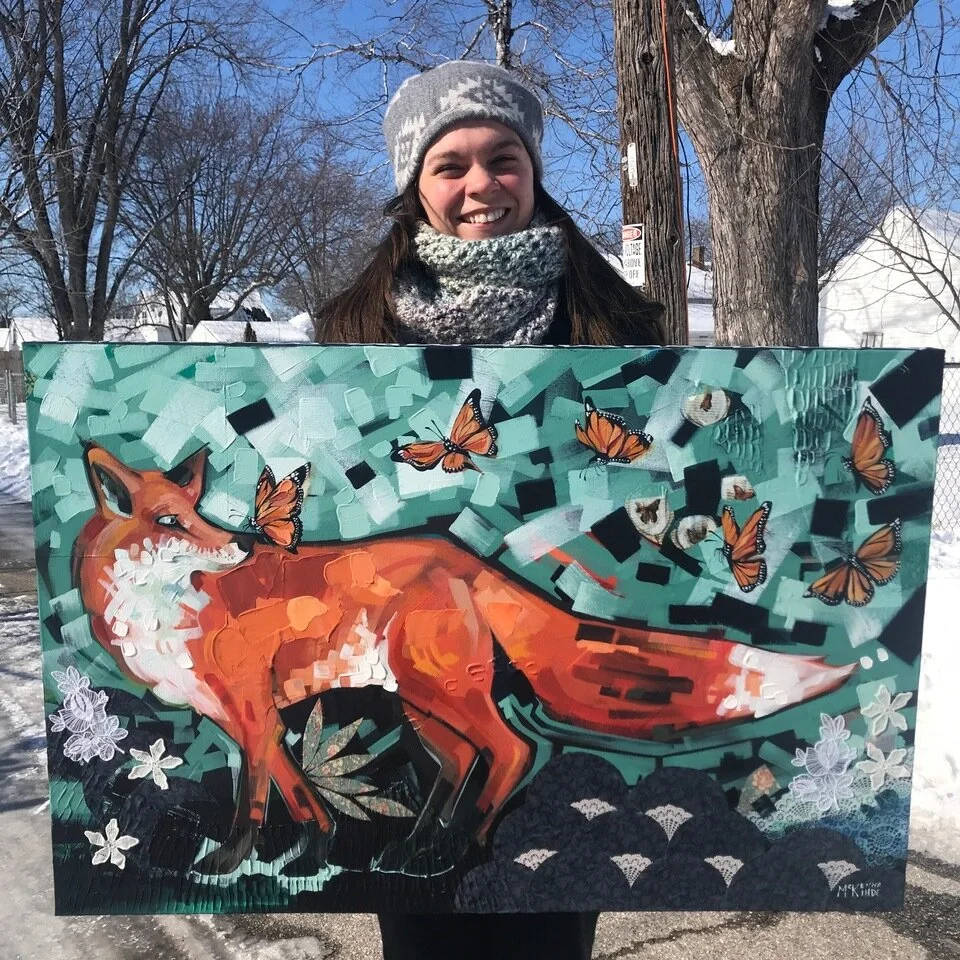
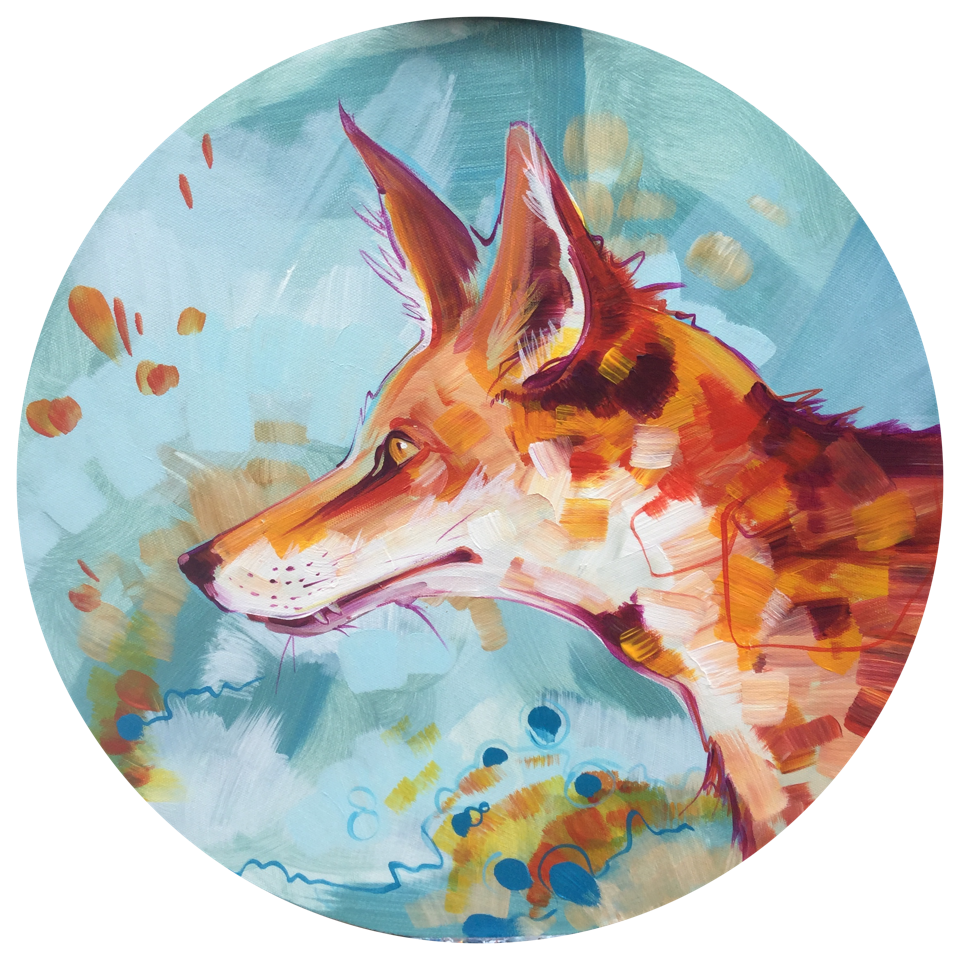
Ihde in her element(s). Piece: Fox & Monarchs  - Photo provided.

Ihde in her element(s). Piece: Fox & Monarchs - Photo provided.

By Ron Evans

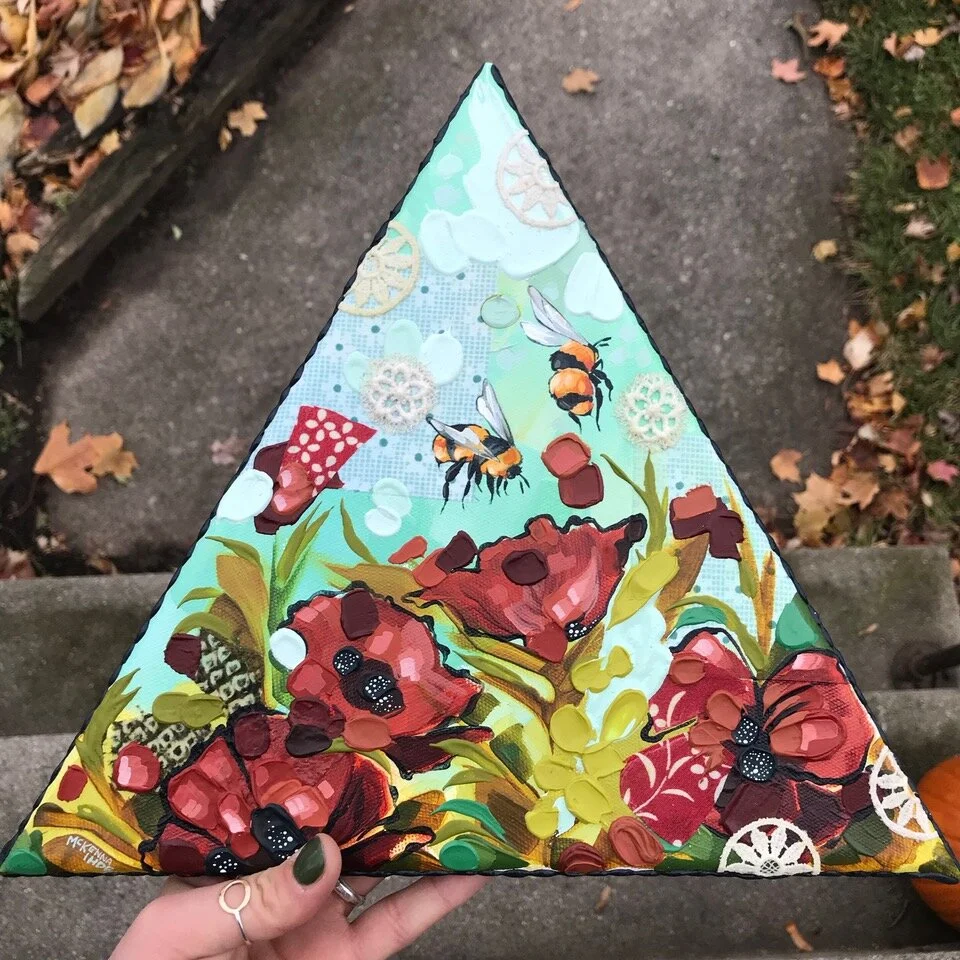
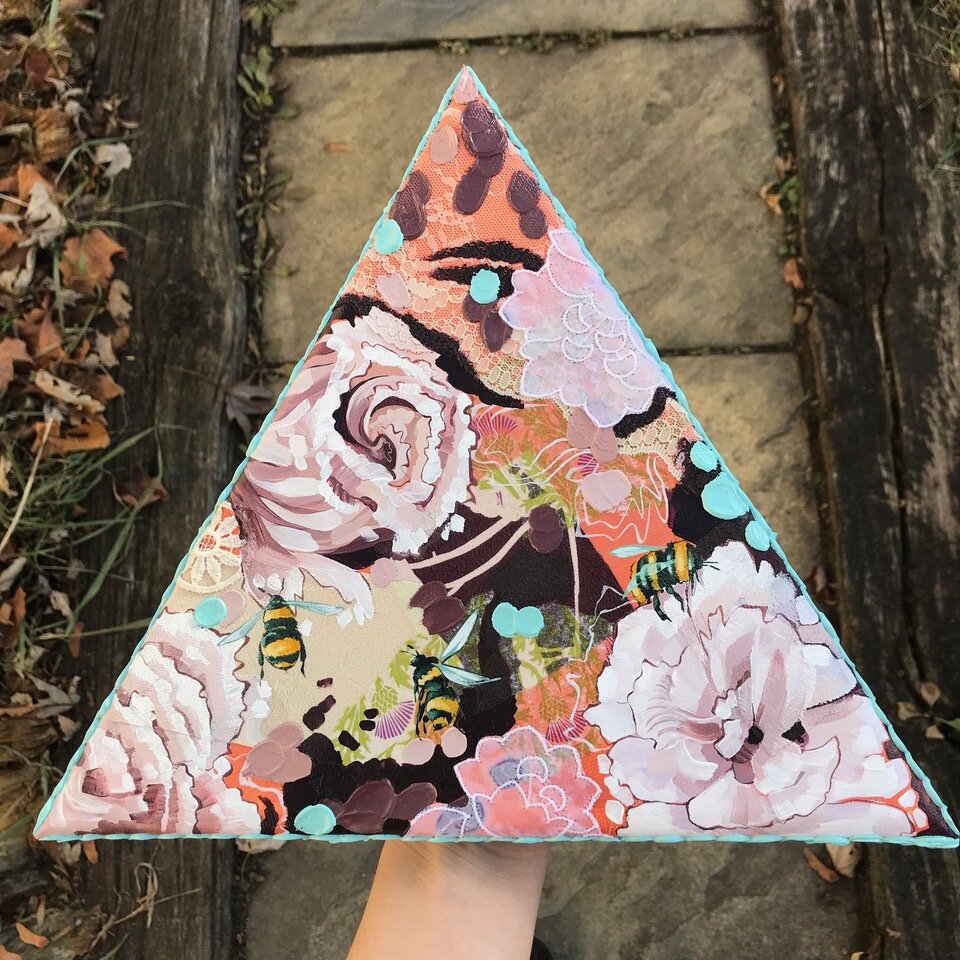
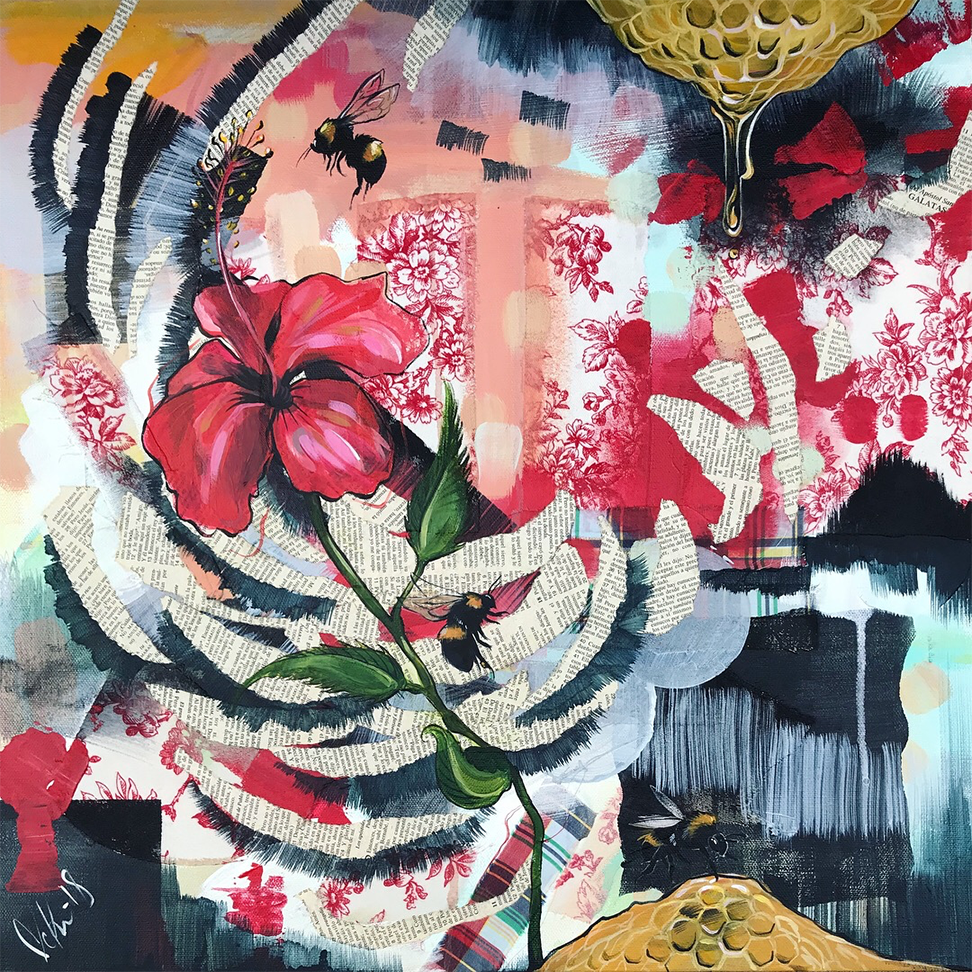
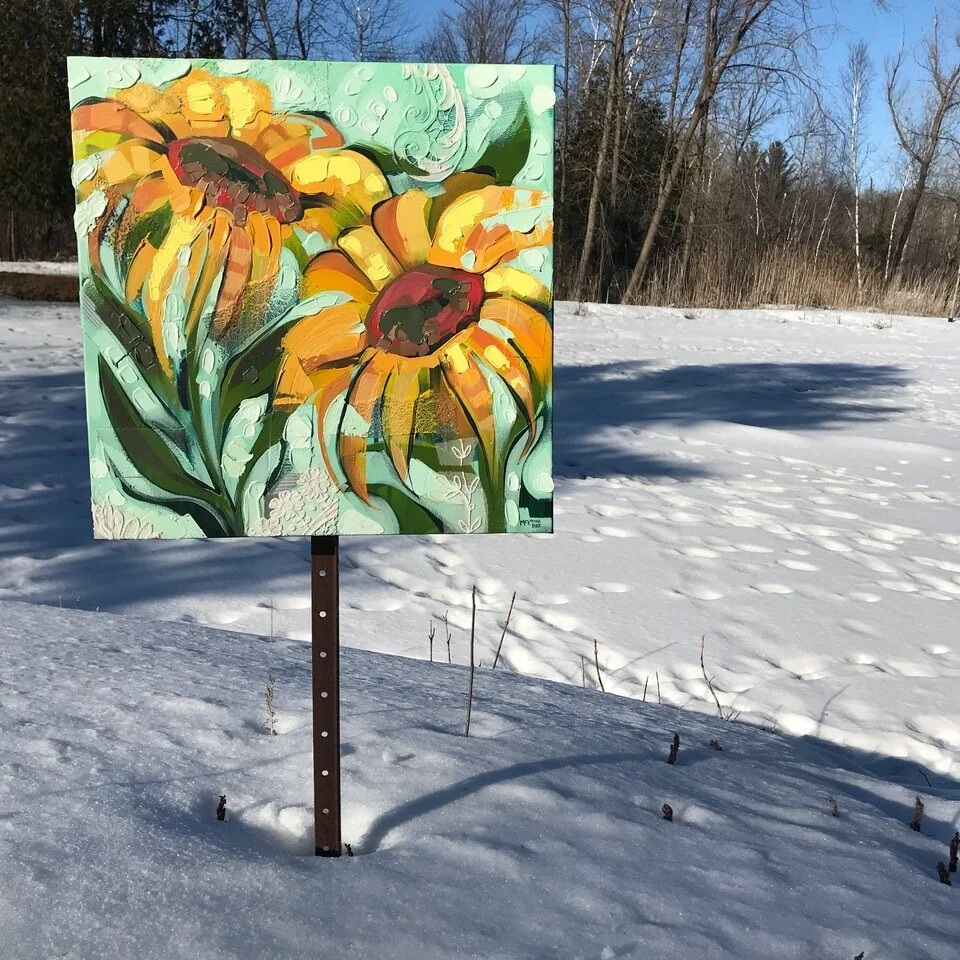
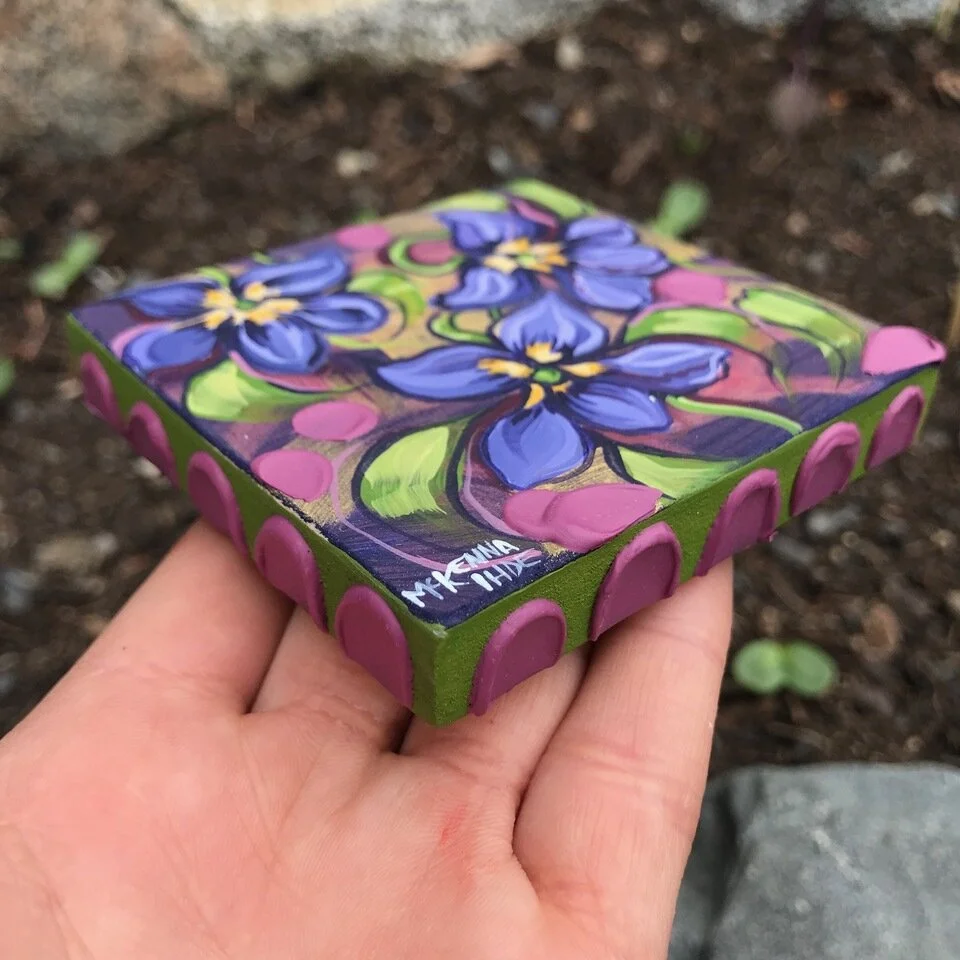
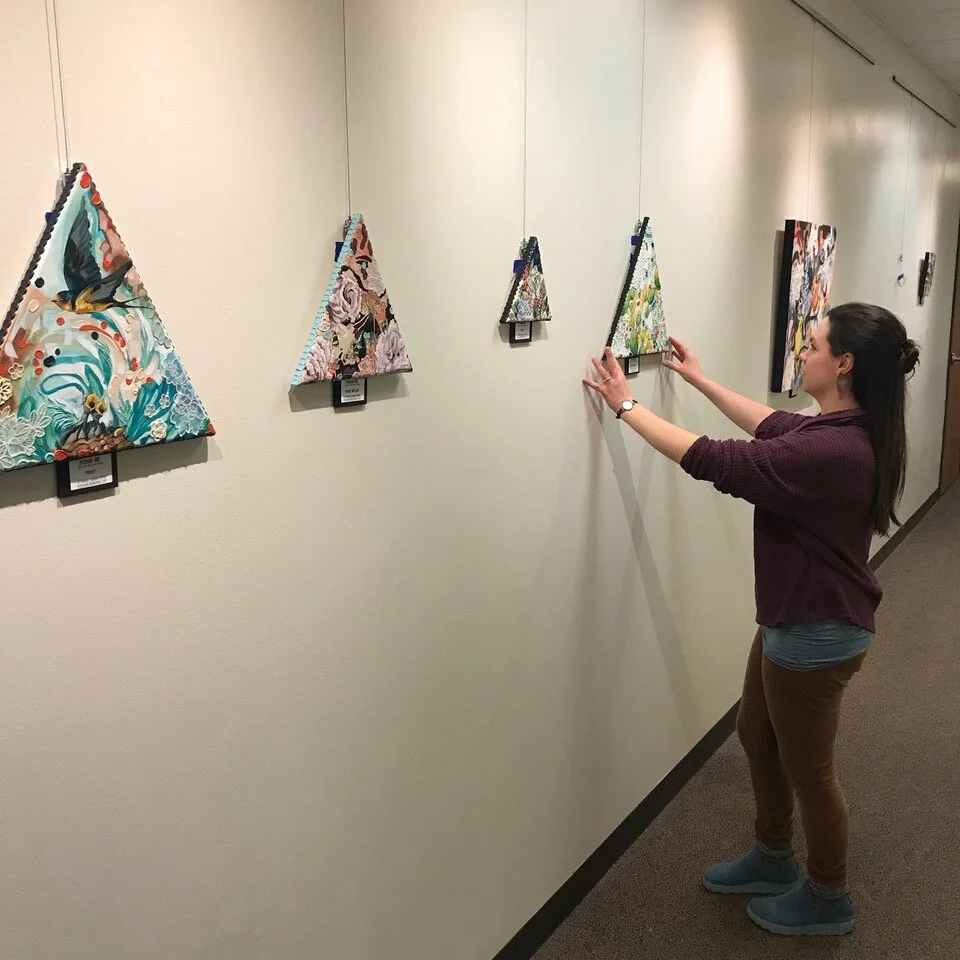
Hailing from Wisconsin, artist McKenna Ihde now calls Leavenworth her home where she skillfully crafts her unique and distinctive creations. Mostly focusing on mixed media paintings that combine elements of nature with textural components like books, tissue paper and vintage fabrics. Realism mingles with the abstract, flat paint with krinkles and flowers and mixed finishes. All resulting in satisfyingly cohesive pieces that almost beg to be touched - though we recommend buying it first… 

Ihde graduated from the University of Wisconsin in Green Bay with a BA in Drawing and Arts Management. “I've never been able to justify piling on more student debt, so my dynamic style has evolved away from the brick and mortar educational systems.” she says.

Poppies and Bees.

Poppies and Bees.

Peonies and Bees.

Peonies and Bees.

“Now I find myself in Leavenworth where I showcase and sell my paintings. My boyfriend and I are both painters who have chosen to ‘live small’ in our travel trailer in the foothills of the Cascade Mountains.”

Idhe says her art celebrates the beauty of nature along with an open hearted responsibility to honor the environment where she resides. “My work conveys a passion to repurpose materials that no longer serve their original purpose.”

Ihde has been featured in several local and non-local galleries over the years and her impressive work ethic and creative output keeps the new works flowing - seemingly nonstop. She can currently be found hawking her vibrant wares every week at Leavenworth’s Village Art in the Park. I was able to convince her to put her brushes down just long enough to discuss her inspirations along with some of the techniques she’s developed to express her artistic and philosophical spirit.

Hi-bee-scus.

Hi-bee-scus.

Your work often combines textural and collage elements along with traditional painting techniques. Tell us how you came to this style and what attracts you to these varied elements?

I’ve been incorporating fabric and paper into my paintings for about 3 years now. I believe my momentum towards mixed media artwork began when I was getting ready for my move to Washington back in 2017. 

That day I was dropping off yet another donation to St. Vinnie’s in preparation for my move out west. I was carrying a modest bag of old clothes. As I approached the donation bin I glanced down at the collection of swirling fabrics. Heartache gripped me instantly! The qualities of the clothing had commingled to form a swirling composition of dynamic color that I could not have imagined. I must have looked possessed, stopped there on the sidewalk admiring my plastic bag filled with gently used sundresses and tank tops but I didn’t care. “Why not use these in your paintings?”, my mind gently urged. And thus my affection for mixed media was born. I love the idea of repurposing unwanted materials and giving them new life through my art. 

Foxy.

Foxy.

IMG_4771.jpeg

Are there any mediums you have experimented with other than mixed media painting?

Besides acrylic painting another favorite medium of mine has always been printmaking. I especially enjoy intaglio printmaking where you etch into a copper plate and dip it in a vat of acid to enhance your design. Through the printmaking process my art becomes far more linear and less lush than what you see in my paintings. I took a few intaglio courses in college where all of the tools in the printmaking lab were at my disposal. I miss the thorough steps it takes to create a print. As it stands now I simply do not have the space for all of the equipment print making requires. 

You dabble in many subjects thematically speaking, but one thing that seems quite prevalent is nature. Is this mostly coming from an aesthetic standpoint or is there something deeper to that interest for you?

My work is meant to move the viewer. Not so much emotionally move them but to physically move them. My intention is to cause their minds to swim and their arms to sway. The motion I transmit with energetic mark-making is meant to coax the viewer into an entirely new head space of rhythm and motion. 

Unlike traditional landscape painters my compositions often depict the power of nature in motion. I believe that if nature had a choice she would not pose for a calming landscape painting but instead prefer to be part of an awesome and dynamic dance. My creative spirit is energized by my reverence for nature. My art is a symptom of this reverence. 

Many artists are drawn to a specific palette or overall structure/style no matter what the medium. When you reach for a tube of paint is there one you often grab before any other? 

Just at a glance you can tell my art is driven by color! I know many artists have tried and true color palettes they use consistently. I have a hard time doing this. 

In school I had an art teacher tell me my color choices were “arbitrary.”  He made it sound like it was a bad thing. I was young and wasn’t exactly sure what that word meant at the time. When I went home and took the time to look up the definition of arbitrary I decided it wasn’t a bad thing after all. Some of my favorite color schemes have been based on random choice or personal whim, rather than any reasoning or system. 

That being said I do have a few paints that I will always gravitate towards. I use the brand Liquitex Heavy Body acrylics. My top three favorite colors are: Indian Yellow (research shows that it was originally derived from the urine of cows that dined on mangoes... Yum!), Green Gold (Go Pack Go!) and Deep Turquoise. 

IMG_6479.jpeg
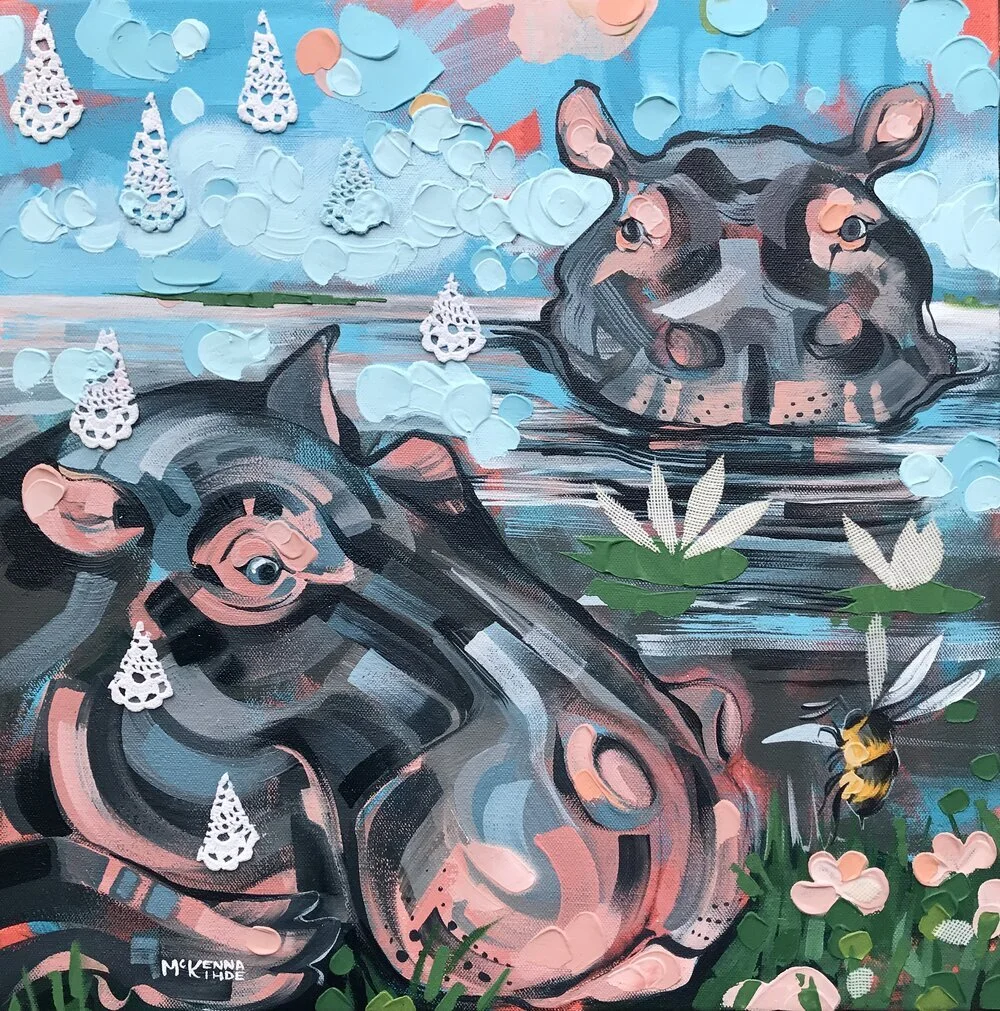
Hippo and Bee.

Hippo and Bee.

Are prints, stickers, posters or any other reproductive works a major part of your endeavors?

There is something very rewarding about selling an original painting to someone who is absolutely in love with my style. But it’s also important for me to make my art accessible to everyone. My work is not exclusive only to those who can drop $500 on a whim. This is why I do offer reproductions of my work such as stickers and prints on my website. 

Are you currently holding any public showings?

Because of Covid regulations my show at Mela in Wenatchee was cancelled. I was scheduled to show at Lemolo in July but decided against it because my painting inventory was getting sparse. In Wisconsin in September I will be participating in a live painting tournament called Art 64. In this tournament 64 artists compete bracket-style for a chance at $20,000. I’m super excited at this prospect to say the least.

My artwork has recently been showcased on LedgeStone Vineyards’ 2019 Semi-sweet Red Wine Bottle. They are a winery out of Green Leaf, Wisconsin but you can order a bottle off of their website to be shipped to you. The Semi-sweet Red has notes of cranberry and cherry and is absolutely delicious. (You can find a link to this wine below.)

How has social media impacted the way you do business concerning sales or promotion for any events you are part of? 

Social media has been a game-changer for me in terms of generating an audience. Platforms like Instagram and Facebook allow me to create hype around new collections and upcoming print releases. If someone loves my work they can follow me. If not, they don’t have to follow me. It’s such a simple concept but it allows me to actively cater to my artistic audience. 

Commissions seem to be a regular part of your creative output, talk about that process and how maybe working on a piece for somebody else differs from a blank slate piece of work.

IMG_3682.jpeg

Commissioned pieces are a big part of my income as a painter. Right now I’ve got a list of paintings a mile long to complete and I couldn’t be more honored. I know that some artists get burnt out on custom paintings, but for me this couldn’t be further from the truth. It is true that with commissions I have less freedom than I would if I were painting a piece from my own inspiration. But I always remind myself that when a customer orders a painting they are doing so because they love my unique form of artistic expression. They don’t want me to change my style to suit their needs because they are already a fan. In some cases the painting process is actually easier for commissions. I don’t have to delve deep into my artist brain to capture some nuanced message because the theme of the painting is already decided upon by the customer. 

How has the pandemic affected your creative output and professional processes/sales?

I am a weekly vendor at Leavenworth’s Village Art in the Park. Normally this would have opened at the beginning of May. But because of Chelan County’s Phase 1 status we weren’t able to open until mid-June. As mentioned, I also had my show at Mela cancelled. Despite these delays and cancellations I have actually been able to remain quite busy with commissions throughout this whole mess. I have never been more grateful for my "self employed artist” status as I am now. 

Are you an “always in the studio” kind of painter?

With all the tools and trappings of a mixed media painter my creative spirit is not at peace working in small quarters. Therefore I generate much of my work outside in the studio space that nature provides. It is here where I honor nature’s imperfect beauty by drawing inspiration from the great Pacific Northwest.

Instagram: https://www.instagram.com/mckennaihdeart/ 

Facebook: https://www.facebook.com/mckennaihdeart/ 

Website: www.mckennaihde.com

LedgeStone Vineyards Semi Sweet Red Wine with my Barn Swallow Art

PUZZLING: Local Artist Goes To Pieces

BY RON EVANS

THE PUZZLE MASTER IN HER ELEMENT

THE PUZZLE MASTER IN HER ELEMENT

“I don't have any fear of running out of ideas... it's wondering if I'll ever have enough time to create them all that bugs me!”

If you’re like most people in hunker-down mode, you have likely experienced that panic-inducing moment when you’re getting a little tired of watching Netflix but you’re not quite ready to concede to crying in the fetal position for the rest of the quarantine. This is where you may have reached for that unopened jigsaw puzzle your aunt got you for Christmas that’s been hiding under the Scrabble and Catan boxes. You certainly wouldn’t be alone. In fact, as of this writing there is a massive shortage of puzzles to be found locally and even many “sold out” situations are popping up online. The verdict is in... jigsaw puzzles are a hot commodity right now. I’ve even seen people starting puzzle exchange groups on Facebook - which the CDC may have an opinion on…

Have you ever thought much about the puzzle image itself? Amidst the Mona Lisas and landscape photos there are hundreds of original works specifically designed to be pieced together on a coffee table with a fire crackling in the background and maybe a little Mozart on the hi-fi. Or more realistically, on the floor with your cat constantly wrecking it. Local artist and puzzle creator Aimee Stewart has been busy crafting her eclectic, colorful and endlessly kooky art for just that purpose. And she’s been incredibly successful in this endeavor. Odds are you have put one of her puzzles together at some point. A Wenatchee native, Stewart now calls Cashmere home where she lives with her husband, Larry and churns out her creations in her studio. I reached out to get to know the artist and to learn about the somewhat mysterious industry of jigsaw puzzles.

When did you get into art in general, and how did you stumble upon the notion of creating specifically for puzzles?

I can't remember a time when I wasn't into art. I have always had a massively active imagination - and it constantly spins on ideas and daydreams. I was always doodling and drawing, painting and coloring as a little kid. Throughout school, I was the one people came to when they needed backdrops painted, posters designed, etc. It was just a natural kind of talent that went hand in hand with whatever else I could get my hands on, creatively. Art, photography, music... whatever it was, I loved doing it and excelled. The same cannot be said for my math skills.

SAMPLING OF AIMEE’S DESIGNS FOR RAVENSBURGER

SAMPLING OF AIMEE’S DESIGNS FOR RAVENSBURGER

Oddly enough, once I graduated high school in 1989 I kind of dropped out, creatively. I got married, and just threw myself into life... making money at various jobs here and there, none of which were creative. They were a means to an end - which I was grateful for, but it didn't nourish that part of me that always continued to daydream. It wasn't until I was in my early 30's when I got Adobe Photoshop for my computer, that I started to dabble with 'computer art'. I began to design elaborate websites, but pretty soon after that I found an online art forum of people making really cool artwork with Photoshop, and I jumped in with both feet. Making digital art and conveying my daydreams became my oasis after long days of working jobs that drained me. And the best part of it was that I didn't have to have a big studio, and didn't have to spend a lot of money on supplies. I could just tuck myself away in front of a computer and work magic with pixels. 

On a whim, I submitted some steampunk art to a British magazine called Advanced Photoshop Magazine. Much to my surprise, they wrote back and wanted to feature me. Right around the same time in 2007, an agency called Duirwaigh Studios spotted my stuff in the forums, and approached me with the idea of signing with them and licensing my artwork on greeting cards, calendars, t-shirts, and wall art. I signed with them, and royalties trickled in - enough to give us a little boost equal to a very part time job.  Towards the end of my contract with Duirwaigh, they approached me about licensing my art as jigsaw puzzles. I hadn't really thought about that possibility, ever. I had always imagined perhaps book covers, or album covers. Jigsaw Puzzles seemed like a completely different animal altogether! But I was game, and they licensed a couple of my existing images...but it never really caught fire.

Fairytale Fantasia.jpg

Around 2012, I was approached by a second agent - who is my agent to this day, MGL Licensing, out of London.  Unlike my first agent, they were primarily puzzle licencors who had international connections with all the biggest puzzle manufacturers. They saw potential in my art, and offered to help transform it into something that *could* translate better into puzzles.  More detail, more color...more everything. So I made the leap between agents, signed with them, and basically learned by the seat of my pants how to really take my vision and craft it into a good puzzle. The difference was like riding a fun local carnival ride, and then going to Disneyland. I love and appreciate what Duirwaigh did for me, but growing as an artist and as a professional - I had to hitch my star to an agency who had those crucial connections and who could help me learn how to navigate a very competitive industry. (If you look at my artwork called Treasure Hunt Bookshelf, and then the puzzle Fairytale Fantasia, you will see a before/after of what my art was...and what it became, to be a best selling puzzle.)

I decided to quit working any kind of day job, and just put all my energies into my art. The results were astonishing.  Pretty soon, my puzzles were flooding stores not just in the US, but overseas. I almost fainted the day I walked into Target and saw my puzzles lined up on the shelves. 

What was your very first published puzzle?

My very first puzzle was called "The Wish", published by Buffalo Games.  A little fantasy piece that I had made for wall art, not for a puzzle. It did ok, but I hadn't found my vision as a puzzle artist yet and it shows!

AIMEE’S FIRST PUBLISHED PUZZLE - THE WISH

AIMEE’S FIRST PUBLISHED PUZZLE - THE WISH

Tell us a bit about your technique concerning the build up of these images. Are you using photographic elements that are then digitally manipulated? Is it mixed media with some painting/drawing involved?

I use everything I can get my hands on, haha! I consider it a mixed media that utilizes photographic and scanned ephemera elements. To create my most intricate puzzle images, I composite hundreds of photographic layers to create my 'base'. These layers can consist of something as big on the digital canvas as a sky, or a ship... or can be as tiny as a button on a blouse. I then arrange them all into the composition I like and then I start layering in painted details, painted lighting and shadows, changing colors, morphing shapes, etc.  The challenge for me, as an artist, is to completely make the viewer forget they are looking at 'digital art'. I also challenge myself not to rely so much on a photograph that it becomes merely changing hue and lighting and calling it good. I want whatever elements I use to so thoroughly disappear into the new creation, that you can't even tell how I did it. That's what makes me the happiest, and what I feel good about when I claim it as my vision and art.

Where do you typically start? With the concept, color scheme and layout, or initial sketching?

In general, I visualize the concept in my head while daydreaming. Yes, if you see me spacing out and staring into the vast gaping maw of the universe, I'm almost always thinking about a new piece of art. I look goofy, but it gets the job done. I never sketch anything out, though I probably should. I don't even really have a specific color scheme in mind... the piece just leads the way. When I sit down to make new art, I almost feel like I'm cracking open a new book. I like it to surprise me. I enjoy not having it so mapped out. I am very intuitive, and I like for my art to follow that intuition, even if it ends up completely different than what it was supposed to be. I go with my gut feelings, and once I start placing layers down, I can always feel when I get the right composition.

I don't have any fear of running out of ideas... it's wondering if I'll ever have enough time to create them all that bugs me!

I’m curious about how the business end of this type of creative profession works. Is this sustaining you full-time? Do most of these publishers pay a flat rate for accepted works or is it a percentage of overall sales?

I am really grateful and fortunate enough to say that doing all of this not only sustains me full time, but it also enabled my husband to retire early and delve into his own creative pursuits. I've been told by many industry folks that this doesn't usually happen. A lot of artists keep jobs and do this on the side. But for whatever reason, my art coupled with the fact that I am an extremely prolific artist made a snowball effect, in that I have hundreds of images out there that I created over the years that generate passive income all the time in the form of royalties.

The way it works is the same as an author in the book industry gets paid, in that I first get an advance for whatever images I license. Then, when those products show up on store shelves, they 'sell through' the advance... and after that start generating royalties for me. So every sale earns a percentage royalty. Companies will license an image for a set number of years, and then they either re-license it (at which point I get another advance) or they let it go, and another company can pick it up and license it. My agent takes care of all the tracking and paperwork, and then sends me my combined royalties once a month.

As of last November, I signed a very rare 15 year exclusive contract with Buffalo Games out of New York. What this means is that for the next 15 years, they have the exclusive rights to license my art as jigsaw puzzles within the United States. Outside of the U.S. I can still license to whatever puzzle companies want to take my work. I flew to Buffalo last fall as did my agents, and we met with the CEO, as well as the creative directors and everyone who makes it possible for me to do what I do. There is a fantastic synergy between Buffalo Games, MGL Licensing and myself - in that we are all on the same page, and all have the same passion for what we do.  

I'm fortunate that my agent handles everything on the business end, and I can just keep daydreaming and making art. It is a sweet, sweet ride that I never for a moment ever planned for - never anticipated - but am grateful for, every single second of the day. I now have a private studio in Cashmere that I work from, which not only serves as a base for my digital art, but also a place where I can go craft, paint, and delve into all the other creative projects that I can possibly pursue. I have a fantastic friend who shares my studio with me who makes jaw dropping fantasy sculptures, and my husband has the studio next door where we do all our photography and he also designs for my agent.

Obviously any photograph or piece of art (or even a solid color for the real jigsaw puzzle maniacs) can be turned into a puzzle. What do you feel makes a truly satisfying but challenging puzzle image?

For me, I've found that my fans love images they can transport themselves into, and that gives them a 'win' with almost every piece, and that has lots of color. People compare my puzzles to 'hidden object' challenges because of the detail they contain. I tend not to put people in my puzzle images because I feel the minute you add in a person, you are dictating the experience for the consumer. I want everyone to be able to put themselves into the picture, as if it was made just for them. One of my recent images is a highly detailed interior of an antique shop.

THE ANTIQUE SHOP BEFORE AND AFTER

THE ANTIQUE SHOP BEFORE AND AFTER

I want my fans to be able to imagine themselves rummaging through the shop, and finding all the little things I've tucked around the picture. Although I admit that nearly all the animals I've included in my artwork are the pets of friends and family!  And I've managed to tuck myself into a number of my own puzzles, whether through tiny vintage photographs, or other ways. I've even hidden a Tardis (hello Doctor Who fans!) in one of my puzzles. That being said - there are people who love very tranquil puzzle images, or like you mentioned, solid colors.  It's a widely diverse industry and fan base. I'm just glad my fans enjoy my hyper-detailed stuff. It makes it really fun to create.

PIXELS AND PIZZA - BUFFALO

PIXELS AND PIZZA - BUFFALO

The drawback to the industry is that if one company has a 'hit' with some specific puzzle, other companies will make knock-offs of that image. The reason being is that fans are often very loyal to one puzzle company. So it is kind of a bummer to see so much of the same thing sitting on the shelves at any one time. So when I make a new puzzle, I try very hard to make it something I would want to see and put together. Something that is new, and that will give a puzzle fan a whole new experience. I am really enjoying making retro-inspired puzzles right now. Stuff that people my age - Gen X'ers - will see and immediately recognize from their past. Like my puzzle Pixels and Pizza - that was inspired straight out of my high school years. And I think that makes a good puzzle experience for a whole new set of puzzle enthusiasts who aren't quite into the quaint country/farmhouse type puzzles that have dominated over the past decades.

To be a successful puzzle artist, you need to understand that people spend a lot of time and money on this hobby, and they want a fun experience out of it. It isn't just about having a pretty picture to put together. It's about being engaged, challenged, but not irritated to the point of quitting. The other thing is that you can't be too precious about your art when you submit it to a company who mass-produces your work. They absolutely will come at you with a dozen different edits. They'll ask you to move things around, to add in details, to take away elements, change colors, change lighting, and on and on. The people who are willing to work with requests and edits and do it with a good attitude are the people who stick around. After all, you are creating this artwork for other folks to enjoy. It really is about them, and not you.   

However, if you can find the balance of really enjoying the art you make, and you love making it for yourself and for them, it really becomes this magical kind of thing. 

Do the puzzle manufacturers/publishers do open calls for art? 

Sometimes they do. It is worthwhile to follow puzzle companies on their social media sites. They announce there on occasion when there is an open call for art. It is definitely worth a shot!

In the age of print on demand and higher quality small run publishing, are many puzzle creators putting their own puzzles out - sans a larger publishing company?

I have seen quite a few companies out there forging their own ground and creating their own niche in the industry. While they may not get shelf space in major retail stores, online purchases are very popular - and puzzle fans are as diverse as they come. So I've seen some small publishers focusing on edgy or more sophisticated imagery that cater to a different clientele than what would ever be found at Fred Meyer, for instance. I think now more than ever, people are looking for options and variety and most importantly, quality. Puzzlers love high quality puzzle pieces, interesting puzzle piece shapes, and clear, quality images (posters inside the box, even) to use as their guide with the puzzles. So if someone is willing to do their homework and invest in those things, they stand a good change of finding a market for it.

Are there puzzle makers/designers you are inspired by?

THE KINGFISHER

THE KINGFISHER

There are so many talented puzzle artists out there. Two of my favorite contemporary artists are Stephanie Law and Kinuko Craft, and both of them have puzzles out there that are exquisite. But mostly, I collect vintage puzzles. I love the kitschy children's puzzles of the 1940's and 1950's... and the psychedelic puzzles of the late 1960's. I also have a collection of "what were they thinking?!" puzzles which includes things like a cringe-worthy photo of seafood Ragout from the 1970's, and a photograph of a messy bathroom from the early 1980's. Those are gems that make me chuckle every time I see them.

Are you creating other types of art on a regular basis?

Outside of the puzzle industry, I still make a lot of art just for myself that won't ever see any kind of commercial success. I have fun writing stories and illustrating them, and I still love attending fantasy/sci-fi conventions, which I always make art specifically for. In the end, I started off making art for my own delight, and to my utter surprise I've found that people around the world find joy in my art too. It's the happiest accident I could have ever hoped for.

Instagram:  https://www.instagram.com/aimeestewartcreations/

Facebook: https://www.facebook.com/AimeeStewartArtwork/

Website: http://www.AimeeStewart.com


Laughter In The Time of Coronavirus: Rotten Apple Comedy

By ron evans

Since its inception in 2018, Rotten Apple has produced over 100 comedy shows showcasing comedians from around the nation along with the 2019 Mahogany and Merlot festival in Chelan.

Shai & Kelsey - Glamor Shot.jpg

Their goal is simple, “to produce high-quality events that connect the community and bring people together to experience joy.”

Shaimoom and Kelsey Newaz started Rotten Apple in January 2018 when Shaimoom's long-time high school friend, Jesse Shapiro, came up to visit them from their hometown of Los Angeles. Jesse originally planned to get away from the hustle and bustle of the city to work on a TV pilot while staying with Shai and Kelsey. After a couple of days, he asked the inevitable question, "What do people do for entertainment in Chelan?" After coming up somewhat empty for nightlife options, Jesse proposed that the three of them could plan to produce comedy shows. The key was that Jesse worked as the booker for the Hollywood Improv for over a decade, so he had access to an endless list of touring comedians from around the country.

One day while riding "The Lady of the Lake" to Stehekin, Kelsey came up with the name, Rotten Apple, for the budding event production company. She wanted to pay homage to the orchards that surrounded their home, while putting an edgy twist to the name. And Rotten Apple was born. After workshopping the details behind the brand, marketing and production plan, they set their sights on late May for their first run of shows. Locals and visitors quickly got word of the shows and with a successful first run of summer shows, the team was excited about the prospect of working as a year-round company. Rotten Apple's comedy shows were the culminating weekend events of 2019 Lake Chelan Winterfest; over 500 people from around the state attended the shows making the Winterfest shows the most successful to date. In addition, Rotten Apple was commissioned by the Lake Chelan Chamber of Commerce to produce a completely reimagined experience for October's annual Mahogany & Merlot boat show festival. 2019 also marked the year Rotten Apple expanded to Wenatchee, where it reached new audiences, formed business partnerships and continued to build its brand reach and identity.

Of course...it all came to a screeching halt when they made the decision to cancel their March and April shows due to upholding the safety guidelines put forth by both the federal and state governments. I reached out (from a safe 280,000 feet distance) to the dynamic duo about their company, their community, their brand new streaming variety show and about laughter in the time of Coronavirus.

You have had to cancel shows like most promoters/venues, what has the tone in the industry been like during this time?

We have been hit hard by the current social distancing and quarantine. With no chance to earn income from live events, we immediately recognized that our industry was going to suffer. However, our immediate concern is that our community was going to be severely affected. Living in a small town, the closures posed a real threat to forcing businesses to potentially shut down. Our first instinct was to get creative and get ahead of the challenge. We created a Facebook Group (https://www.facebook.com/groups/chelanvalleystrong/) to create a unified home for live updates on business hours, volunteer opportunities, donations, curbside/delivery and COVID-19 news. It has over 650 members and is very active and many local business owners post and citizens show their support on a daily basis. We are in the works of creating a "Chelan Valley Strong" sticker to raise money for the local food bank.

For our business, we knew we had to get creative with our business model. How can an entertainment production company provide value for its audience online? If live events are no longer an option, then we knew we had to create digital content to fulfill our mission during this time. We turned on our cameras, brainstormed ideas and printed the digital film online. Over the last two weeks, we have written, directed and produced a mock infomercial, a song parody and a live-streamed variety show. It has taken hours of work, no sleep, learning on the fly and helpful feedback to pull that off so far. However, it has re-energized us, kept us positive and allowed us to stay connected to the community. We are now commiting to live streaming twice a week, Tuesdays and Thursdays at 7pm on our Facebook page.

Many comedians have tried live streaming sets with various results. So much of comedy depends on the audience. Have you seen anybody having success with live streaming in a way that works specifically in terms of stand up?

It is very challenging to perform standup with no audience. However, we have been following Andrew Rivers and Cory Michaelis' show every Friday at 7pm. They do a good job of interacting with the commenters on their live stream and have brought on some awesome guests including Brad Upton and Gabriel Rutledge. @comedyquarantine is another live stream, daily at 7pm on Instagram, that is raising money for charity and their comics by bringing on some headliners like Margaret Cho and Cameron Esposito, who can drive traffic and exposure. The show has been funny and inspirational for us. It is very candid and the crew behind the show are doing it for a cause.

Truthfully, it is difficult for us to both keep track of everything that is happening out there while producing our own content. The hours in the day quickly disappear and we are exhausted by the end. Don't get me wrong, we love it. It's just hard to keep our eyes and ears to the digital streets while doing our thing.

THE RUBY THEATRE IN CHELAN

THE RUBY THEATRE IN CHELAN

Tell us about your new variety show. Are you planning on doing this throughout the quarantine or possibly beyond?

The Rotten Apple Show! is a comedy variety show. Our show format is as follows: invite our comedian friends from around the country for a chat (and skits!) while Kelsey and I sprinkle in some pre-recorded skits, live segments, viewer interaction and other random fun. We loved our first live show and we were honored that people donated tips and subscribed to our Patreon. We are continuing to come up with new ideas, address the modern times and, most importantly, have fun and enjoy both the guests that come on as well as the viewers in an authentic way. Instead of hosting a stand-up show, we want to keep it loose and organic so that we can all be in it together, as opposed to having one person perform to an inaudible audience. We have no planned end to the show and are taking it one day at a time. We believe that no matter what, we have this opportunity to grow, add an online layer to our business and have the potential for a wider reach. Ultimately, it's about tapping into our passion to create and connect with people in any and every way we can.

Any guests you have coming up for the show you can share with us?

In the upcoming weeks, we have the master and super-quick comedian, Ian Bagg, and actor, writer and comedian, Joe DeRosa. Both killed it out here when they performed at our shows and are awesome people, period. We will be posting future shows on our Facebook page. We are hoping to stream both Facebook and YouTube simultaneously down the line. All in all, we are feeling positive and doing what we can from our homes to provide some laughs during these hard times. We love our community and we will do whatever it takes to survive. We are fighters and creators. Love will push us through this!

Patreon

Facebook Page

Instagram 

Brand New YouTube Channel 

Chelan Valley Strong Facebook Group

Website 


Gratitude Even When You Don't Wanna!

Herb Nerd, Kristen Acesta

Herb Nerd, Kristen Acesta

By Ron Evans

Recently I was speaking about gratitude with co-owner of Salt Creek Apothecary and self-acknowledged Herb Nerd, Kristen Acesta. Her advice and philosophy were too good to not share so I immediately told her to shut it. Until we could have a proper interview on the subject for The Comet, that is. It went like this:

Ron: I’m usually pretty decent with gratitude. At least occasionally. But...I’m rebelling against it right now like a bratty four-year-old.

Kristen: Four year olds are pretty wise, or at least that has been my experience.  Maybe you’re on to something. In general I see people believing that by practicing gratitude it means you have to be (or will be) happy, or even content.  So maybe the rebellion is your form of gratitude to the world. We should probably start off by defining what we mean by gratitude, and then if you really are being a selfish brat we can work on your adverse childhood events and teach you some gratitude tips (gratitude doesn’t completely fix these btw).

Gratitude is simply the practice of recognition and respect. The definition is: the quality of being thankful; readiness to show appreciation for and to return kindness.  But 1. You need to have recognition of what is around you first and foremost in order to give thanks to it and 2. We need to define what kindness looks like (especially self directed kindness).  

In the current atmosphere, I see a lot of posts on facebook swirling around like “my children are driving me nuts being at home 24/7 buuuuuuuuuut I should be grateful that they are home and safe.”

My argument would be that both can be true.  You can have bratty four year olds who decided that your late filing tax return documents were a coloring project for which you are enraged about.  And be grateful for them. A step further, you can be grateful for the recognition of emotion that you feel in that very moment of avant garde impressionist artwork.

How do you work through your emotions or knee-jerk feelings as a response to circumstances - to get to a place of gratitude?

The difference is that gratitude is not an emotion, it’s an action.  We all experience emotions. One could argue that at the root of them they are neither negative nor positive, but as it turns out humans classify them that way.  Can we experience a perceived negative emotion while fostering gratitude? Maybe for the lesson it brings, or the other positive emotions it sometimes brings but maybe just not now (like your children sucking up all your personal space but they can be cute and snuggly sometimes)? The answer is yes. The question wasn’t exactly rhetorical. 

But that is an example most people can find on their own. That is one of those easy paradox situations where you feel something negative but shame yourself into thinking you should be feeling otherwise (this is what I typically see in gratitude practice). The harder stuff is describing what kindness looks like directed towards yourself as a form of gratitude and letting yourself experience the negative.

One of the key points here is that it is incredibly important to recognize and feel the emotion that you are feeling at this very moment, even if it’s anger, hate, pity, sadness, elation, anxiety, worry, fear.  Part of the gratitude practice is waking up to the moment and recognizing it (meditation helps here), thanking it, and wishing it farewell (self gratitude practice). And that doesn’t guarantee the emotion will go away either. Maybe you are stuck with it for a while.

My biggest beef with the pseudo meditation new age hippie community is that I find it preaching this peaceful perfect walk through life IF you practice (or if you do yoga, or adopt this mindset, or whatever). And don’t get me wrong, I want you to practice. In fact, we all need to practice, continuously at least. There are wonderful resources in the community for that; Joanna Dunn and Kelli Riddle for example. There needs to be a wake up to the fact that you are in the midst of it whether you like it or not. “It” being right now. That said, waking up to a daily gratitude practice doesn’t mean that life will be prancing unicorns with a unanimous political agenda. In fact it might be just the opposite. You might actually see a bigger divide, that your dad was a dictating a-hole, that you morally object to your job, or just see things in general more clearly.  Maybe you even see yourself more clearly.

Ok, fine. I’m in. Now what? Do we have to go around the table like at Thanksgiving and say what we are thankful for? How do you start?

I do start people with grace actually. It doesn’t have to have a religious context to it, but in our clinic when suggesting people practice, we often recommend starting with a form of grace before eating. It can be as simple as taking three breaths before you shove your pie hole to enjoy the anticipatory act of eating. And I mean, who doesn’t like to eat, right?  Who doesn’t love the smell of smoldering bacon before your lips, still sizzling from the pan? Try extending that enjoyment in a form of gratitude. It’s also a practice of awareness (recognition of the senses). Think of all the ways you love bacon - not just the shoving your mouth full of it. The smell of it cooking on a sleepy Sunday morning before you fully awake. The heat it gives off warning you, suggesting patience on your plate. The feel of it in your mouth, one side a little sloppy and the other hard and crispy. The immediate taste of salt then just a hint of sweetness to leave you with a full hearted savory finish. There are a lot of senses going on in that situation.  In all situations actually. Paying attention to our senses helps ground us back into real time. Then we can more readily see the emotions that color the situation.  

Herb Nerd sticker from Salt Creek Apothecary.

Herb Nerd sticker from Salt Creek Apothecary.

Is being aware of things to be thankful for simply a starting point for having gratitude, or is there more to this? 

There is significantly more to this. It’s the beginning of recognizing and dissolving your self-made paradigms, beliefs, prejudices, preferences, self fulfilling prophecies, boxes you put yourself in, boxes you put others in, and the end-all-be-all separation between what you deem to be your reality and what actually is. Morpheus is giving you the option, choose the red pill Neo.

Is it possible to truly have gratitude during a situation you feel badly about, whether that’s a breakup, losing a job or simply not getting what you want out of your life?

Yes, of course. Pema Chodron talks about the normal state of humans is love. Not the “oh my god, you’re so perfect for me and/or this puppy is so cute I want to eat it” type of love. But compassion and acceptance love. It’s not an emotion. It’s a state of being.

“Hate is not the opposite of love, indifference is” - Elie Wiesel

Just to put it in the negative for reference. Love is not an emotion. You can experience what nearly all of marketing wants you to feel towards something, but it is most often either lust, greed, desire (possession), infatuation/idolization, the list goes on, in fact I believe there are seven of them. Regardless, whatever the feeling is, it’s definitely not love.

You can experience a trying time (losing your job for example), witness the emotion of loss, failure, depression, etc. for which is totally called for and appropriate, and still resolve towards gratitude for life and how the path will lead you.

You can also absolutely hate someone. And still see the path ahead of you (and have gratitude for it). It’s about witnessing the levels. Senses -> Emotions -> Thoughts -> nirvana (I’m not sure it’s linear by the way).

Gratitude helps us start defining those things.

saltcreekapothecary.com


Virtual History: the museum comes to you

by ron evans

Fire up the laptop and go on a historical walk-about.

Matthew Pippin and Education & Volunteer Specialist Debbie Stewart demonstrate an apple sorter from 1920 as part of the Museum’s Virtual Tour.

Matthew Pippin and Education & Volunteer Specialist Debbie Stewart demonstrate an apple sorter from 1920 as part of the Museum’s Virtual Tour.

Museums and art galleries are on the “must close” list for now and this is leading many venues coming up with clever ways of keeping art, exhibits and educational pastimes alive. The Wenatchee Valley Museum And Cultural Center is now offering virtual tours and boredom busting DIY projects for the armchair visitor of distinguished taste. 

Speaking of distinguished taste, local thespian Matthew Pippin was tapped (he’ll enjoy that turn of phrase) to help host this series of videos with a certain flair only he could bring us. I asked Matthew about the ins and outs of these virtual tours.

Whose idear was this?

Annie Holman, the Curator of Education & Programs. I met her when I hosted a few murder mysteries for the museum last fall which lead to me working the front desk.  After the museum was shut down, we had a week before the stay at home order was given to film a few of the exhibits and do-it-yourself home projects. Giving the children of the valley and beyond who would have been on field trips at the museum a chance to experience something fun at home. 

I was in the museum with Ms. Holman and Debbie Sawyer for most of the filming and it was just the three of us. I had general scripts I'd be handed before each segment and had to get out as many facts as possible with the least amount of takes.

Do you host all of them? What is currently available?

We only had three days of filming, but we were able to do 12 different videos. Whether or not they see the light of day is a totally different story (that's show biz, kid). Currently, I believe there are five videos out with more to be released in the coming weeks.  Some are geared towards children and a few are for general audiences. There are a few others released where I am not hosting. For instance, Kasey Koski, the Curator of Exhibits, hosted one about the high school art that had been on exhibit in the main hall.  

As a usually busy performer all-year-round in the local arts, how have you been coping with all of the stages going dark?

When this pandemic hit, I felt totally useless as a performer. It's my job to make people forget their troubles and I had no outlet. These videos helped me out a lot. Put me to work and I (hopefully) am entertaining while helping educate.  

How can people support the Museum 

Any donations could be made at: wenatcheevalleymuseum.org/donate/

Or…

When the stay at home order is lifted, I'll be happy to take nickels on any street corner.

Head to wenatcheevalleymuseum.org/ for virtual tours, blogs and more. No nickels required. 


B-Sides: 1918 flu pandemic & the loss of a local musician

By Dustin Hays

THE 1918 FLU PANDEMIC & THE LOSS OF A LOCAL MUSICIAN

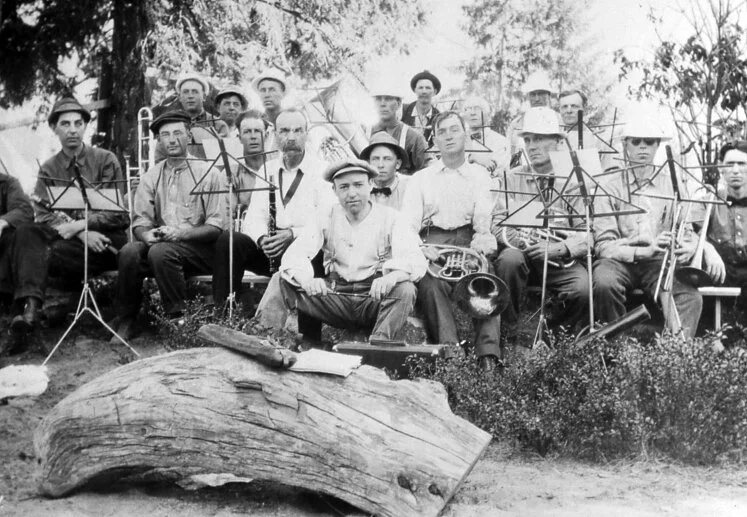
The Wenatchee Band 1907. Director Louis Crollard is standing to the left of Drum Major George Hauber (the guy with the large white busby hat in the back row). Photo: Wenatchee Valley Museum & Cultural Center 012-51-4210

The Wenatchee Band 1907. Director Louis Crollard is standing to the left of Drum Major George Hauber (the guy with the large white busby hat in the back row). Photo: Wenatchee Valley Museum & Cultural Center 012-51-4210

The 1918 'Spanish' flu first came through town in October of 1918, with the first case in Chelan County being confirmed within the first week of the month. More and more cases were popping up around the state, and by October 9th, Wenatchee and Chelan County's health officers Dr. J.H. Blake and Dr. F.E. Culp ordered the closing of "all public places" which included school, dance halls, theaters and churches to close at 5pm that day (Seattle had initiated their closure four days prior). Venues of the day affected by the closure were a small mix of theaters, barns and auditoriums.

By the end of the month it was reported (presumably by the Wenatchee World) that 400 people in the valley were sick, with 11 deaths. The number of ill kept increasing, and on November 9th, all local businesses (excluding grocery and drug stores) were ordered to close. An emergency hospital was set up in the Odd Fellows Hall (then located somewhere on Wenatchee Avenue between First and Second street).

On November 11th, World War I ended, and seemingly out of celebration, the business/public place ban was lifted. The emergency hospital stayed open through the next year, and in January reported that of the 124 patients they had, only 18 had passed away.

Two weeks later, the flu claimed its first and only known victim from the local music scene, violinist and band director Louis Crollard.

Louis Michael Crollard was born on February 18, 1883 in California. In 1904 (at the age of 21) he moved to Wenatchee along with his mother and younger brother Fred.

The family had previously been living in Washington D.C. where Louis had become an accomplished violinist, and played with his brother (a pianist) in musical combos.

The Wenatchee Band 1915. Director Louis Crollard sitting at the front of the group. Photo: Wenatchee Valley Museum & Cultural Center 012-51-4202

The Wenatchee Band 1915. Director Louis Crollard sitting at the front of the group. Photo: Wenatchee Valley Museum & Cultural Center 012-51-4202

The two brothers found work with the local law firm Reeves & Reeves, eventually becoming partners in the firm. In 1915, after the last Reeves retired, the firm morphed to "Crollard & Crollard".

Bands of the day featured a mix of brass and woodwind instruments with at least a couple percussionists. Violins and Cellos were the only string instruments commonly used in early 1900s music groups, and it wasn't until the '20s that local bands started incorporating banjos into the music.

During the first couple decades of Wenatchee's history, there were only a few "bands" or musical groups active in the area. Wenatchee's first band, billed initially as The Wenatchee Cornet Band then The Wenatchee Band, changed their name to The Wenatchee Military Band in 1905. The band seems to have operated for some time with around 20 members. By as early as 1907 Louis can be seen in photos of the Wenatchee Military Band as the group's director.

The Crollard Orchestra was another one of the few active musical acts in town during those years, performing in area dance halls and on occasion providing music for productions held at the Wenatchee Theatre. Members of the orchestra besides the Crollard brothers aren't known.

Louis was also one of the earliest (if not the very first) local musicians to publish a piece of original music. In 1913 Louis composed a march in honor of the Fair Hesperides (a business and agriculture fair held in Wenatchee every October during the 1910s). To my knowledge, the next piece of local sheet music wasn't copywritten and printed until 1917 by O.B. Brown, a local music store owner.

Louis continued to direct the Wenatchee Military Band and perform in local groups until he died from the flu on November 26, 1918, just two short weeks after the business/theater closure had been lifted. Louis was only 35. In the years following his passing, Louis' brother Fred directed the Wenatchee Military Band.

In December 1919, the flu hit again and brief business & school closures were ordered across the state. For this ultimately less-severe wave of the illness, an emergency hospital was set up at the Mission Street Pavilion, a closed dance hall.

Fred Crollard lived into his 80s, passing away in 1967. On top of practicing law, he was also a member of the Wenatchee school board and president of the Chamber of Commerce (just to acknowledge a few of his accolades).

Fred's fourth born child (the first born after his brother's passing) was named Louis. This Louis - born in 1921 - worked as an optometrist locally during his adulthood, and was an active musician, playing piano throughout the valley.

We've all been feeling the effects of the event closures. No shows for three weeks now! Make sure you're keeping up with all your favorite bands on social media though - whether it be merch sales or Facebook live sessions, musicians seem to be adjusting quickly to this situation. A few interviews I was going to conduct with some aging local musicians have been cancelled, but with the help of the Wenatchee Museum, and a few books from Wenatchee historians of the past (John Gellately, Eva Anderson, Bruce Mitchell - published by the Wenatchee World), I was able to piece together the story of how the 1918 flu pandemic affected the Wenatchee Valley and the music scene that existed here a century ago.

Luckily pandemics like these aren't super common, and there aren't several instances throughout our history to look back on for similarities. Let's hope that these containment measures prove to be helpful, and that soon restrictions can be lifted so live music can once again fill the valley with sound.